
Clean Drinking Water
Utility companies do their best to provide clean, safe water to millions of Americans. However, they cannot guarantee the water always meets EPA standards. Source water from lakes, reservoirs, rivers and wells change. The quality is never the same from one minute to the next. Utility companies cannot test every gallon of water flowing through their plant so the water quality is not a constant. Chemicals and even pharmaceuticals have been found in source water. In addition to the moving target of source water, old piping distribution systems can add contaminates to the water such as lead, other metals and possibly microorganisms. Many customers experience high levels of salt in their water from road salt in the winter. This indicates that run off water mixes with source water. Excessive chlorine is another notable degrade in quality. These contaminates and a host more can be reduced to provide bottled water quality water from a faucet at your kitchen sink for pennies per gallon.
Our Approach
Our first step to solving any issues with your home’s water is determining if there is a problem in the first place. On of our professionals will visit your house and test your home’s water to determine if your water is experiencing any of the issues mentioned above. If so, we will provide you with a plan of action and a comprehensive quote which lays out our recommended solution for any issues affecting the quality of your family’s drinking water.
Technology
There is always the right tool to fix any problem. When it comes to water quality, in many cases, the right tool is a Revers Osmosis unit. Reverse Osmosis technology produces better than bottled water quality at a fraction of the cost. It removes a host of heavy metals and chemicals including lead, mercury, and arsenic to name a few. They also remove nitrates. If you are looking for safe drinking water without the cost and hassle of bottled water, Reverse Osmosis units and coolers are your best choices.
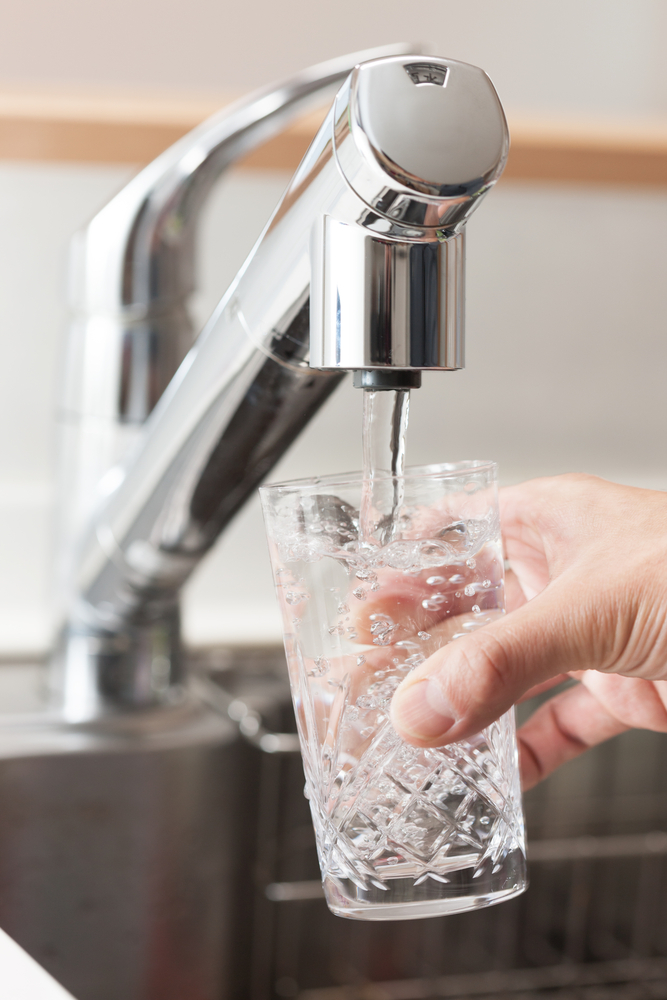
Addressing PFAS in Drinking Water
Per- and polyfluoroalkyl substances (PFAS), including well-known compounds such as PFOA (perfluorooctanoic acid) and PFOS (perfluorooctane sulfonate), have become a growing concern in drinking water across the United States. These chemicals were widely used for decades in products such as non-stick cookware, stain-resistant fabrics, firefighting foams, and food packaging. Because PFAS compounds break down very slowly, they can persist in the environment and eventually enter lakes, rivers, and groundwater that supply municipal drinking water systems. As a result, PFAS are often referred to as “forever chemicals”.
Testing across the country has detected PFAS in some public water supplies. Long-term exposure to certain PFAS compounds has been associated with potential health risks, which has led the EPA to introduce stricter monitoring and regulatory limits for these contaminants in drinking water.
The good news is that proven treatment technologies can significantly reduce PFAS levels in household drinking water. High-quality reverse osmosis systems and advanced carbon filtration are designed to remove extremely small contaminants, including PFAS compounds such as PFOA and PFOS. By installing the right filtration system at your home, you can add an extra layer of protection and enjoy cleaner, better-tasting water directly from your tap.
If you are concerned about PFAS, or other emerging contaminants, our team can test your home’s water and recommend a customized treatment solution designed to improve the safety and quality of your drinking water.